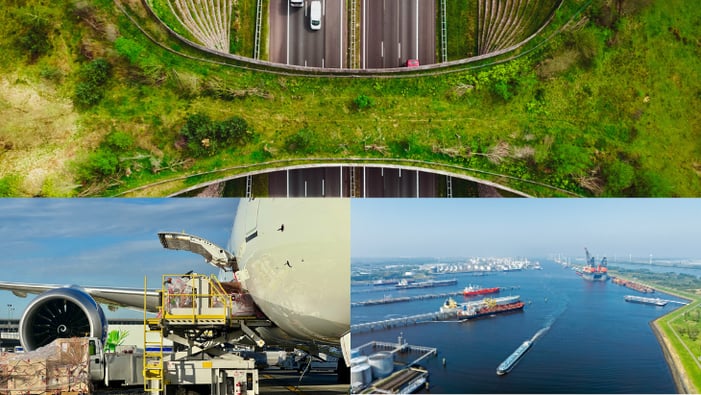
The Netherlands is the EU’s fifth-largest economy, with a GDP of around €1,200 billion, and a major gateway for freight entering Europe. In 2025, the port of Rotterdam, Europe’s leading container port, handled 14.2 million TEUs, up 3.1%.
Machinery and electronics made up 32.5% of Dutch manufacturing value added in 2024.
Food and beverages made up 17.6% of Dutch manufacturing value added in 2024, and chemicals and pharmaceuticals 16.7%.
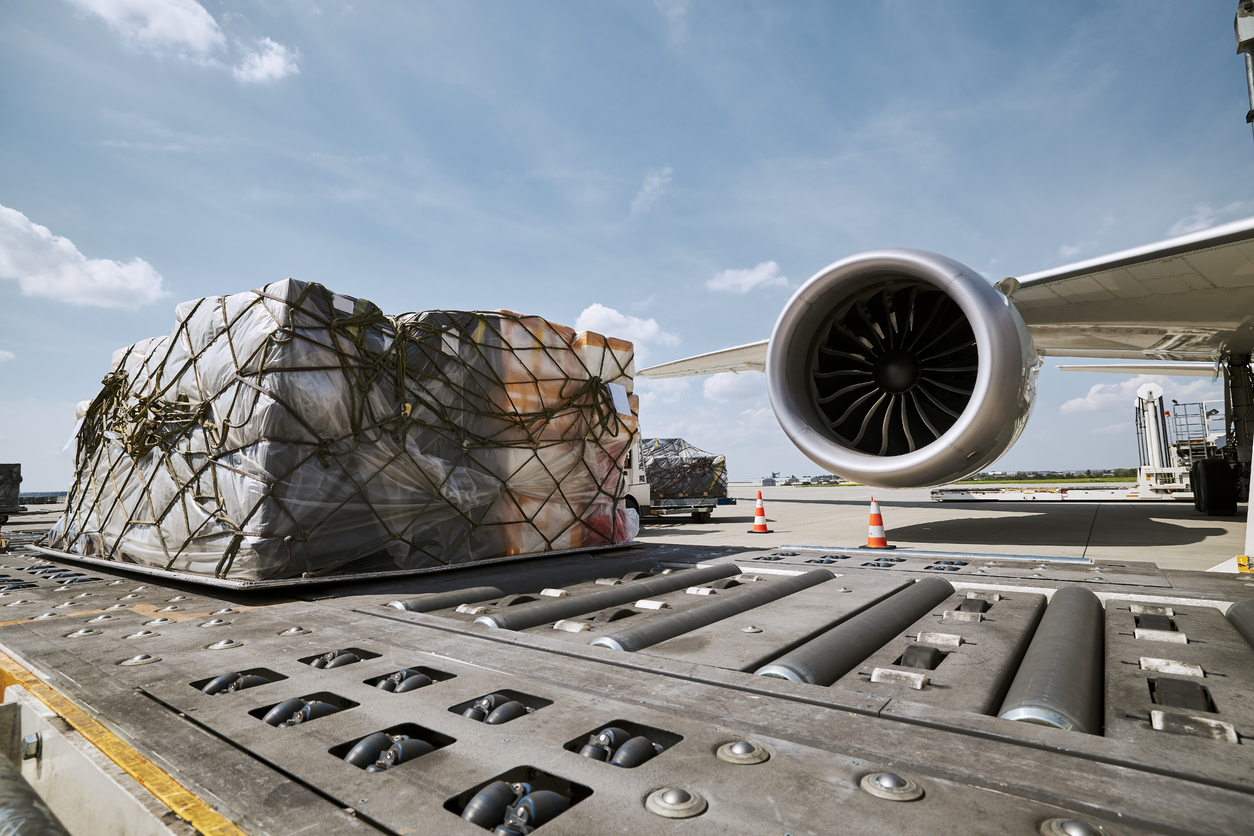
Amsterdam-Schiphol ranks third among EU airports for air freight, facing growing competition from Belgian hubs.
The Netherlands plays a major role in European freight transport, relying in particular on its position as a gateway for international flows through leading ports and airports. This connectivity has made the country a prime location for the establishment of logistics warehouses.
With a GDP of around €1,200 billion, the Netherlands ranks as the fifth-largest economy in the European Union. Unlike countries such as Germany or France, where domestic consumption plays a larger role in economic activity, the Dutch economy is strongly oriented toward international trade.
Public policy has fostered the development of a diversified industrial structure, with the main sectors being machinery and electronics (32.5% of manufacturing value added in 2024), food and beverages (17.6%), and chemicals and pharmaceuticals (16.7%). This industrial composition contributes to strong export productivity.
A powerful transport and logistics ecosystem
The Netherlands is also a major gateway for international flows to and from the European Union. Goods coming mainly from Asia and the United States enter Europe through Dutch ports and airports and are quickly redistributed across the continent thanks to a highly integrated logistics network combining inland waterways, rail corridors, and road transport.
These strengths have driven the development of a powerful transport and logistics sector. The country is home to Europe's leading container port, Rotterdam, which handled 14.2 million TEU in 2025 (+3.1%). Schiphol-Amsterdam Airport, for its part, ranks third among EU airports for air freight traffic, although competition from Belgian hubs is becoming increasingly fierce.
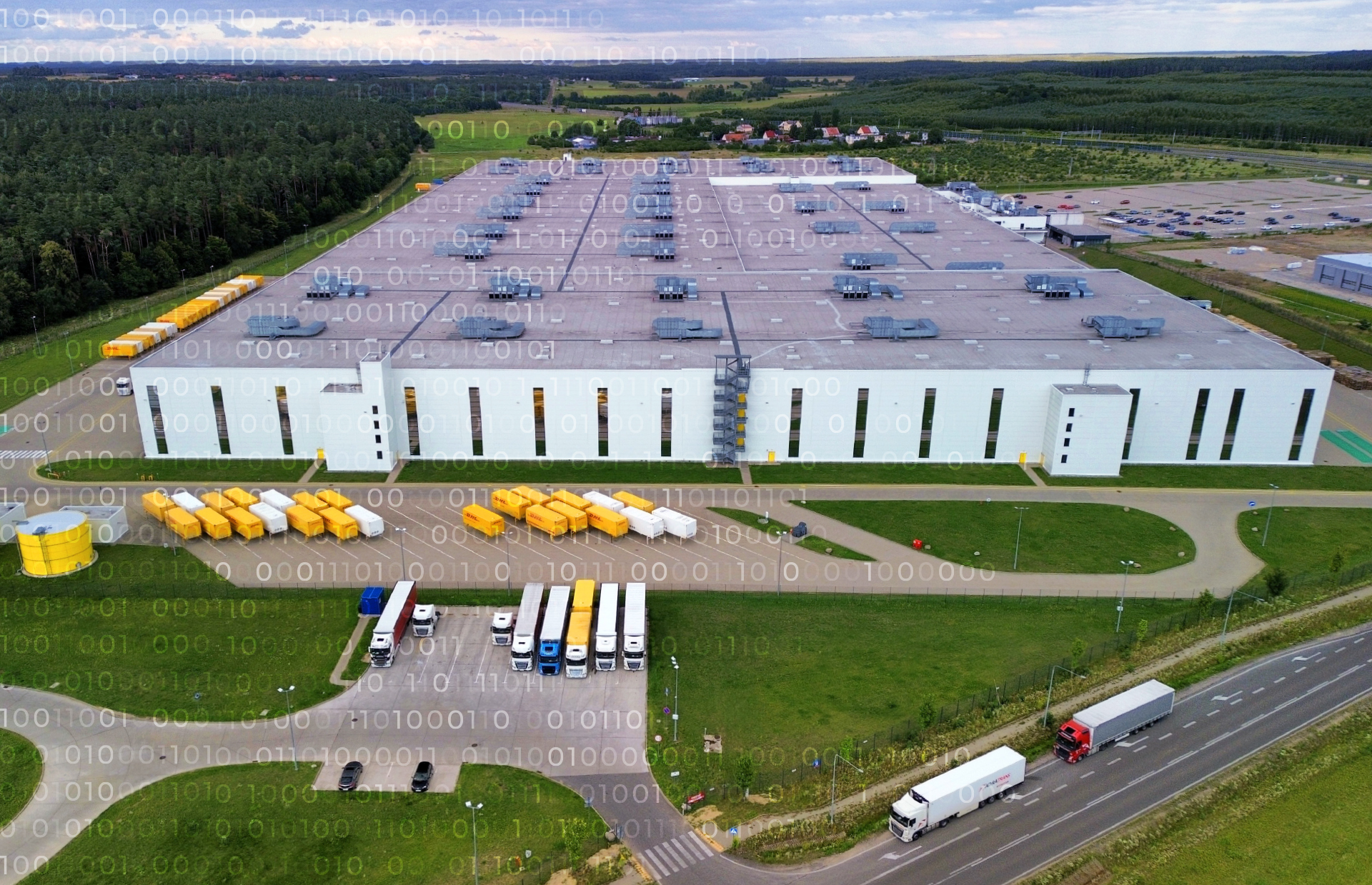
Bolstered by this connectivity, the Netherlands has become a leading logistics base for all major logistics providers and freight forwarders, which also fuels a dense road transport ecosystem.
CONTENTS
An economy driven by trade and connectivity
The Dutch road freight sector strives to maintain its competitiveness
Dutch Ports: Logistical Powerhouse Facing New Challenges
Air cargo: The Netherlands fights to maintain its position
Graduated from the Superior School of Journalism in Lille, Anne spent most of her career in the international trade and logistics press, before joining Upply.