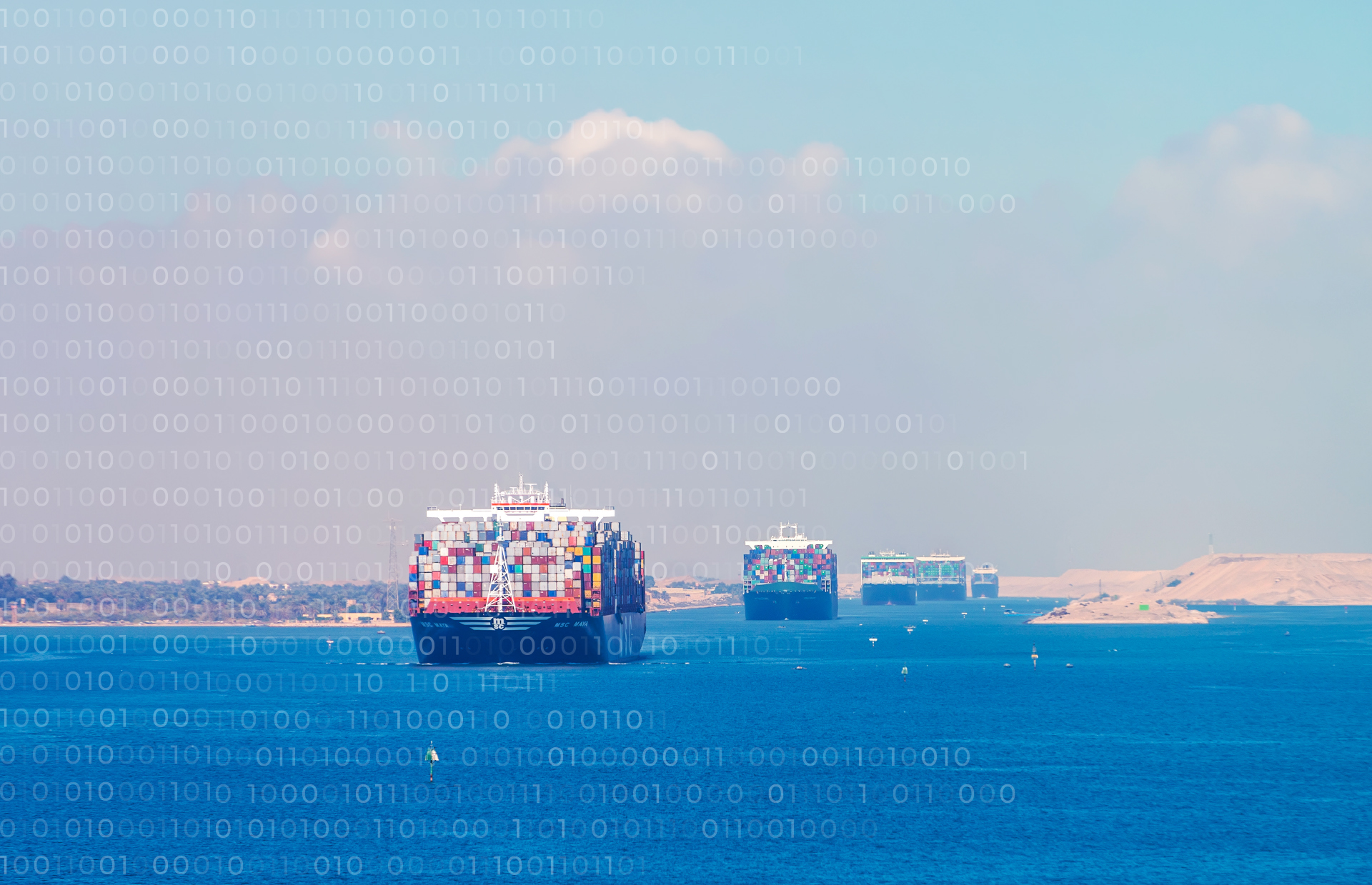
Maritime transport is being disrupted by the resurgence of conflict in the Middle East, which is having major operational and financial consequences. Air freight is also heavily affected.
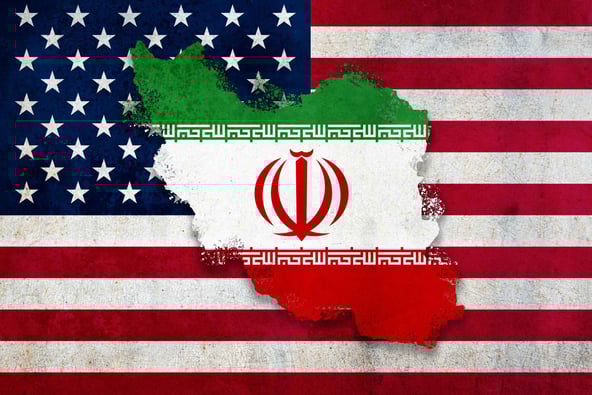
On February 28, the United States and Israel launched a military operation against Iran, called “Roaring Lion” on the Israeli side and “Epic Fury” on the American side. Iran retaliated with missile strikes targeting, among other things, US bases, giving the conflict a regional dimension.
1/ Impact on maritime transport
Iran’s Islamic Revolutionary Guard Corps ordered commercial vessels to stop using the Strait of Hormuz, a strategic maritime route through which around 20% of global oil and gas transit. The strait is not formally closed, but insurers are refusing to cover the risks faced by companies sailing in the area. As a result, most operators have chosen to suspend activity.
-
First, the conflict therefore has an immediate operational impact. All major shipping lines have announced the suspension of transits via the Strait of Hormuz and the Suez Canal. They have instructed vessels currently in the area to seek shelter. Shipping companies have also suspended bookings to Persian Gulf countries.
-
The conflict also entails a triple financial impact on cargo.
→ Insurance companies have announced higher premiums, both for cargo and vessels, and in some cases the cancellation of coverage. This implies significant additional costs but also creates a real risk of trade paralysis. The Trump administration has taken note of the scale of the threat. One day after major maritime insurers withdrew their war-risk coverage for the Persian Gulf and the Strait of Hormuz, President Donald Trump ordered the US International Development Finance Corporation (DFC) to “provide, at a very reasonable price, guarantees for the financial security of all maritime trade” using this strategic waterway. If necessary, the US Navy will begin escorting oil tankers through the Strait of Hormuz as soon as possible, the president added.
→ In the immediate term, to account for higher insurance and operational costs, shipping lines have introduced rate surcharges, which will affect maritime transport prices in the coming weeks, at a time when freight rates had fallen to very low levels on the main global corridors.
→ Finally, the situation in the Strait of Hormuz directly affects oil and gas exports. Even if alternatives exist, oil prices are therefore expected to rise sharply, which will affect transport costs. Oil and gas markets reacted immediately. The Brent price, which stood at around $62 per barrel at the beginning of the year, surged to above $80. OPEC+ countries decided to increase their oil production quotas by 206,000 barrels per day for April in order to partially offset disruptions around Hormuz and avoid speculative price spikes. Gas prices have also surged. Fuel being one of the main cost components, this situation will generate additional costs for shipping companies and for transport operators in general.
The conflict also has broader regional repercussions. At the beginning of the year, major global shipping companies were discussing the prospect of a gradual return of vessels via the Suez Canal in 2026, with initial tests carried out over the past three months after the Houthis announced they would stop attacking merchant vessels. The resurgence of the Middle East conflict dramatically changes the situation. Already cautious, shipping companies are now backtracking as insurance premiums rise again.
The Cape of Good Hope route therefore still has a long future ahead. Even before the strikes on Iran, passage through the Red Sea and the Suez Canal was still considered dangerous, as illustrated by the European Council’s decision regarding Operation Aspides, announced on February 23. This operation, launched in February 2024 to “protect vessels in the Red Sea and preserve freedom of navigation,” has been extended until February 28, 2027.
2/ Impact on air freight
The conflict in the Middle East has a major impact on Asia–Europe routes. It has led to the closure of airspace across a large part of the Middle East, "causing 19,000 flight delays and more than 2,100 cancellations within 24 hours, representing an 18% contraction in global air freight capacity", according to TLF Overseas. Major airlines have suspended their rotations to the region.
The conflict is affecting strategic airports. The main air cargo hubs in the Middle East—Dubai, Doha and Abu Dhabi—are at a standstill. Yet these are not merely regional hubs but global strategic platforms: Doha and Dubai rank 8th and 12th worldwide among cargo airports. These bases, home respectively to Emirates, Qatar Airways and Etihad, are "essential for connections between Europe, the Indian Ocean and Asia," notes TLF Overseas, adding that “re-routing options remain very limited at this stage.”
The closure of airspace does not only affect flights connecting the Middle East. Airlines must also adapt their Asia–Europe flight schedules to overflight restrictions, which may result in longer flight times and additional costs. As the situation in the Middle East was already unstable, Philippe de Crécy, Director of Public Affairs at Ceva Logistics, had already raised the alarm in June 2025 during the Union TLF’s general assembly, pointing out that air corridors in this region were becoming increasingly narrow and complex for pilots to manage.
European airlines have already experienced this since the war in Ukraine: the ban on flying over Russian territory—which does not affect Asian airlines—adds five hours of flight time per rotation and between €70,000 and €90,000 in additional costs, according to estimates provided in June 2025 by Philippe de Crécy. Moreover, longer routes reduce cargo capacity.
The conflict in Iran and its regional expansion are therefore likely to lead to an increase in air freight rates in the immediate term.
3/ Impact on road transport
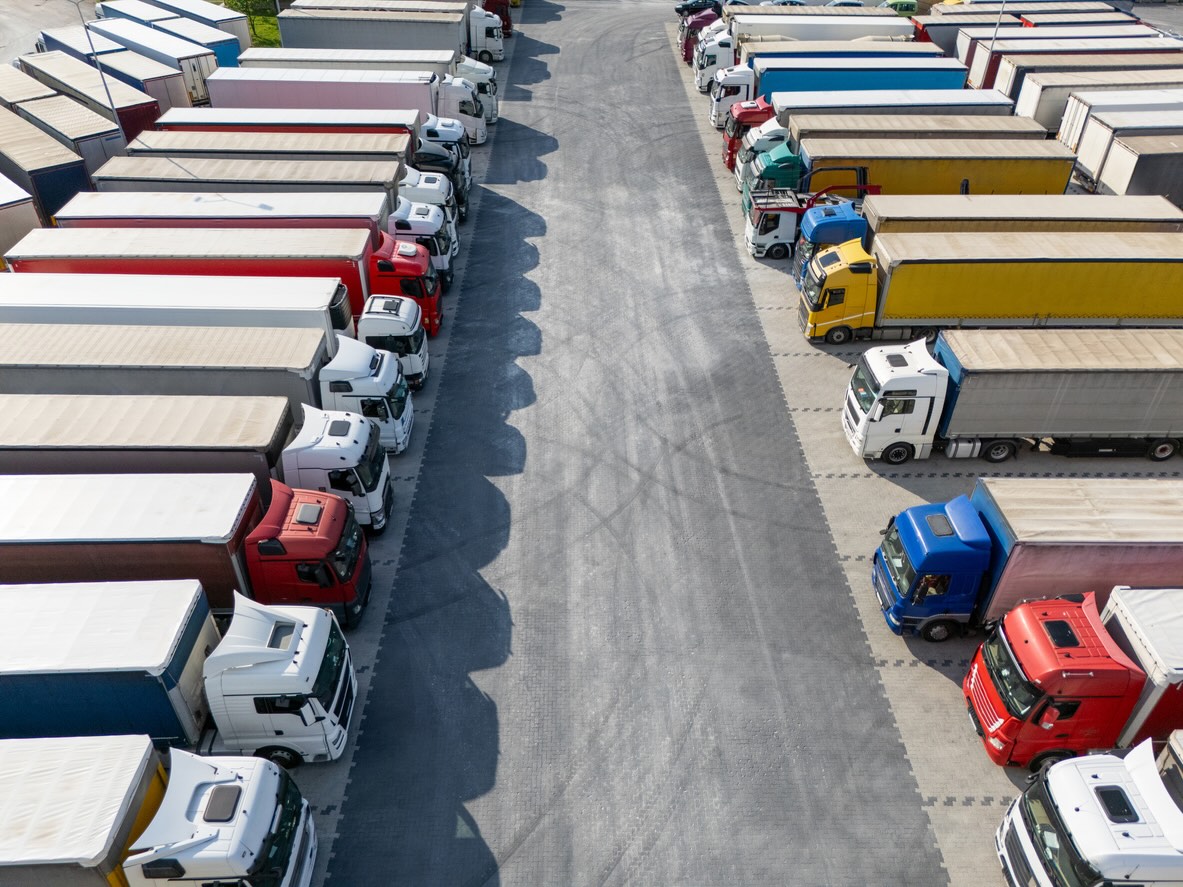
Road transport is less directly affected by events in the Middle East. However, it is likely to be impacted in the coming weeks by the pass-through of rising oil prices into fuel costs.

.jpg?width=375&height=315&name=anne-kerriou-jerome-dericqles%20(1).jpg)