INFOGRAPHICS. In 2025, European road freight transport increased slightly in tonne-km but also in tonnage. Observation of intra-European corridors reveals a certain shift in the centre of gravity, even though Western and Southern Europe still generate the bulk of the volumes.
European road freight transport grew by 0.9% in 2025, totalling 1,886 billion tonne-kilometres. But the best news comes mainly from the activity expressed in tonnage, which has finally started to rise again after two years of decline. European Union road carriers transported 13.3 billion tonnes in 2025, an increase of 1.8% compared to the previous year.
1/ The main European national fleets
In 2025, the top 10 road carrier fleets in the European Union accounted for 83.7% of total activity expressed in tonne-kilometres, compared to 79.5% in 2016, revealing an increase in concentration. The ranking remained unchanged in 2025 compared to 2024.
The Top 5 alone accounted for 67.1% of total activity. This overall ranking, which combines national and international traffic, logically includes the 5 most populated countries of the European Union and 5 of the 6 largest European economies in terms of gross domestic product.
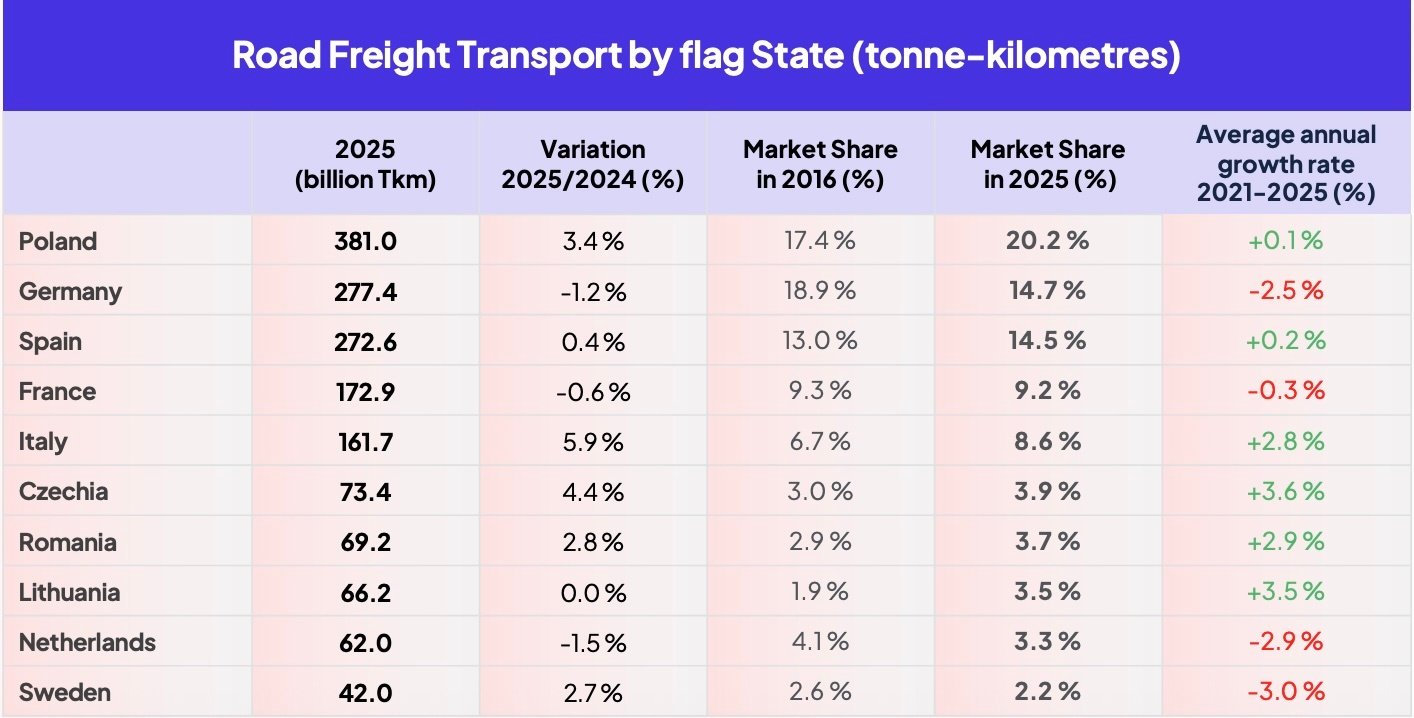
Figure 1 - Data source: Eurostat - © Upply
The rebound in 2025 was more pronounced in tonnage than in tonne-kilometres. The 1.8% increase observed across the European Union was notably fuelled by the performances of Poland and Italy.
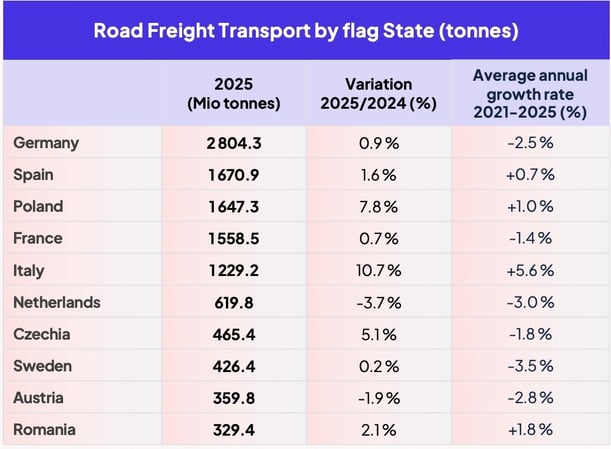
Figure 2 - Data source: Eurostat - © Upply
- Poland returned to growth
After two years of decline, the Polish fleet returned to growth in 2025, driven by the country's economic recovery. Activity expressed in tonne-km increased by 3.4%, allowing the Polish fleet to once again cross the 20% market share threshold.
However, the average annual growth rate between 2021 and 2025 was only 0.1%. During this period, the Polish fleet suffered in particular from the economic difficulties of its main European trading partner, Germany. It also faced increased competition from the Czech, Romanian and Lithuanian fleets, which have the highest growth rates in the Top 10.
The decline continued for the German fleet, which was ousted from first place on the podium in 2019 by Poland. It has suffered a loss of 4.2 points of market share compared to 2016, which is the biggest drop in the Top 10. In 2025, the gap narrowed even further with the Spanish fleet, the number 3 in Europe, which gained 1.5 points of market share in ten years. In tonnage, however, the German fleet recorded an increase in 2025 (+0.9%), which had not happened since 2019.
- A Spanish fleet boosted by the country's economic performance
The Spanish fleet benefited from the dynamism of the Spanish economy, whose growth has been significantly higher than the European average in recent years. This is reflected in the tonnage trend, with an increase of 1.6% in 2025 and an average annual increase of 0.7% between 2021 and 2025. In tonne-kilometres, the average annual growth rate between 2021 and 2025 was limited to 0.2% over the same period, indicating that Spanish road carriers have probably achieved most of their growth in the domestic market. In ten years, the overall market share of the Spanish fleet has increased by 1.5 points.
The Italian fleet showed the best year-on-year growth rate in the Top 10 between 2024 and 2025, in tonnage as well as tonne-kilometres, and a performance also above the European average between 2021 and 2025. Italian road carriers were leveraging their strong position in the domestic market, which allows them to firmly establish themselves in the 5th position in the overall European ranking.
France, along with Germany, is one of the two fleets in the Top 5 that have experienced a decline in activity both year-on-year and on an annual average over 5 years. However, the erosion is less severe, and over ten years, we observe a near stability in the market share of the French fleet, which therefore seems to have reached its cruising speed after the violent drop that followed the opening of the road transport market to Eastern European countries from the enlargement of the European Union in 2004. Nevertheless, the gap with Italy is narrowing year after year. France's place in the Top 5 is not threatened, but its ranking of 4th place is challenged.
- All-conquering fleets from Eastern European countries
While the Polish fleet seems to be reaching a certain maturity, the other fleets from Eastern European countries present in the Top 10 are proving to be voracious. The Czech, Romanian and Lithuanian fleets show the best average annual growth rates of the Top 10 between 2021 and 2025.
2/ Domestic road transport
After growing by 0.8% in 2024, domestic road transport[1] experienced a more pronounced increase in 2025. It increased by 2.2%, reaching 1,172 billion tonne-kilometres, or 62.2% of total road transport activity in Europe. The average annual growth rate of the EU-27 between 2021 and 2025 was however slightly negative (-0.1%), illustrating the sluggishness of the European economy after the brief post-Covid upturn. In tonnage, traffic increased by 2.0% across the European Union, totaling 12 billion tonnes, or 90.7% of total traffic.
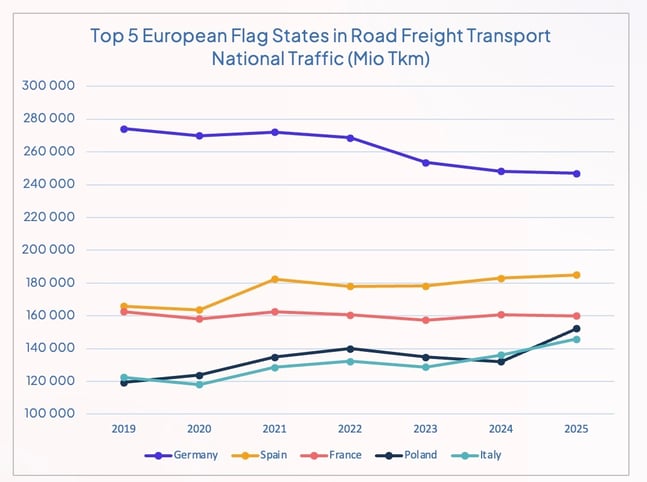
Chart 3 - Data source: Eurostat - © Upply
The top five fleets accounted for 69.2% of tonnage and 75.9% of tonne-kilometres.
- Germany, No. 1 in decline
The German fleet, on the domestic segment, remains the undisputed number 1, fuelled by the strength of the domestic economy, even though the latter has only painfully emerged from two years of recession, with growth limited to 0.2% in 2025. But it has been experiencing inexorable erosion since 2019 (with the exception of a very slight post-Covid rebound in 2021, much less marked than in other countries). Between 2021 and 2025, the average annual growth rate was -2.4% in tkm and -2.5% in tonnage.
- Post-Covid divergence between France and Spain
Since 2021, France and Spain have had diverging trajectories. The Spanish fleet has seen a clear recovery on the national territory since the end of Covid, and this dynamic has not faltered. Between 2021 and 2025, the average annual growth rate of the Spanish fleet was +0.35% in tkm and +0.7% in tonnage. In France, these metrics show, on the contrary, a respective contraction of -0.4% and -1.5%.
- Italy and Poland neck and neck
The Polish and Italian fleets, on the other hand, have relatively similar trajectories, with an average annual growth rate of 3.1% and 3.2% respectively between 2021 and 2025 for activity expressed in tonne-kilometres. In tonnage, however, Italy stands out clearly with an average annual growth of 5.8% during this period, compared to 1.6% for Poland.
However, in 2025, Poland took advantage of the clear recovery of its economy to regain the number 4 position that Italy had taken from it in 2024. The Polish fleet recorded growth of 15.3% in tkm and 11% in tonnage.
3/ International road transport
International road transport[2] for the EU-27 reached 713.5 billion tonne-kilometres in 2025, down 1.1% compared to the previous year. The Top 5 account for 65.5% of flows in 2025, with a modest average annual growth rate of 0.3% between 2021 and 2025, which again reflects the difficulties of the European economy.
In tonnage, international activity increased by only 0.2%, amounting to 1,236 billion tonnes, of which 57.9% was handled by the Top 5, whose composition varies compared to the ranking based on activity in tonne-kilometres. Germany and the Netherlands are indeed present, to the detriment of the Czech Republic and Romania, which shows that the activity of these international road fleets takes place over shorter distances but represents significant volumes.
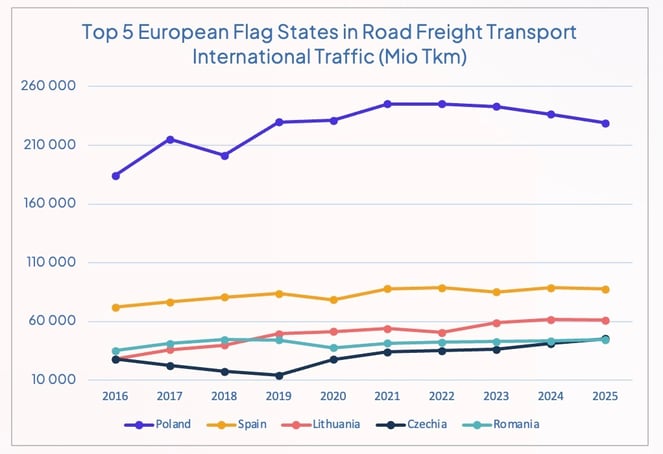
Chart 4 - Data source: Eurostat - © Upply
- The Polish fleet faced strong competition
Poland captured 32.1% of international flows in 2025, but the average annual growth rate is negative at -1.7% between 2021 and 2025. Since the peak reached in 2021, during the post-Covid recovery, the Polish fleet has been losing ground internationally and despite the good health of the Polish economy in 2025, the trend has not reversed. Global international activity fell by 3.2% in 2025 compared to the previous year.
The Polish fleet faced fierce competition from fleets from other Eastern European countries, in particular Czech and Lithuanian fleets, which show an average annual growth rate of 7.4% and 3.2% respectively between 2021 and 2025. While the Polish fleet managed to maintain strong positions on routes originating or destined for Poland (+2% to 135.9 billion tkm), it lost ground on cabotage activities (-4.9% to 21.7 billion tkm) and cross-trade activities (-11.3% to 71.2 billion tkm).
- The Spanish fleet supported by bilateral international activity
For the Spanish fleet, International activity has proven to be virtually stable, with an average growth rate of 0.1% over 5 years. It remains firmly anchored to the 2nd place on the podium, with a market share of 12.3% in 2025. International traffic expressed in tonne-km decreased by 1.2% between 2025 and 2024 due to a sharp decline in cross trade and cabotage activities, but as these are relatively marginal in the total, the overall impact remains small.
- The Lithuanian fleet in decline in 2025
The Lithuanian fleet confirms its 3rd place on the podium, despite having had a mixed year. International activity expressed in tonne-km declined by 0.7% year-on-year, but the average annual growth rate is 3.2% between 2021 and 2025. In tonnage, the Lithuanian fleets holds 5th place. The year 2025 was marked by a decrease of 0.5% but the average annual growth rate 2021-2025 is one of the highest in the EU, reaching 6.4%. Cabotage and cross-trade activity account for 78% of the total activity of the Lithuanian fleet.
- Strong progress for the Czech fleet
In 2025, the Czech fleet saw an increase in all components of international activity, but growth was particularly notable in transport originating or destined for the Czech Republic (+11.3%) and in cabotage (+12.5%). Overall international activity thus increased by 9.6% to 45.3 billion tonne-kilometres, compared to a decline of 3.0% for domestic activity. Over the period 2021-2025, the Czech fleet also shows the highest average annual growth rate of the Top 10 with +7.4% in tkm and +13.4% in tonnage.
- Moderate progress for the Romanian fleet
The Romanian fleet recorded a growth of 2.8% in international activity in 2025 compared to 2024, to 44.6 billion tkm, the average annual growth rate over 5 years amounting to 1.9%. The acceleration of cabotage (+12.5%) and cross-trade (+6.2%) made it possible to compensate for the decline in flows originating and destined for Romania (-0.9%), tending to show that the Romanian fleet is gaining ground in transport for third countries rather than in direct trade. In tonnage, traffic increased by 5.1% year-on-year and by 1.4% per year over the period 2021-2025.
4/ Top 20 intra-European corridors

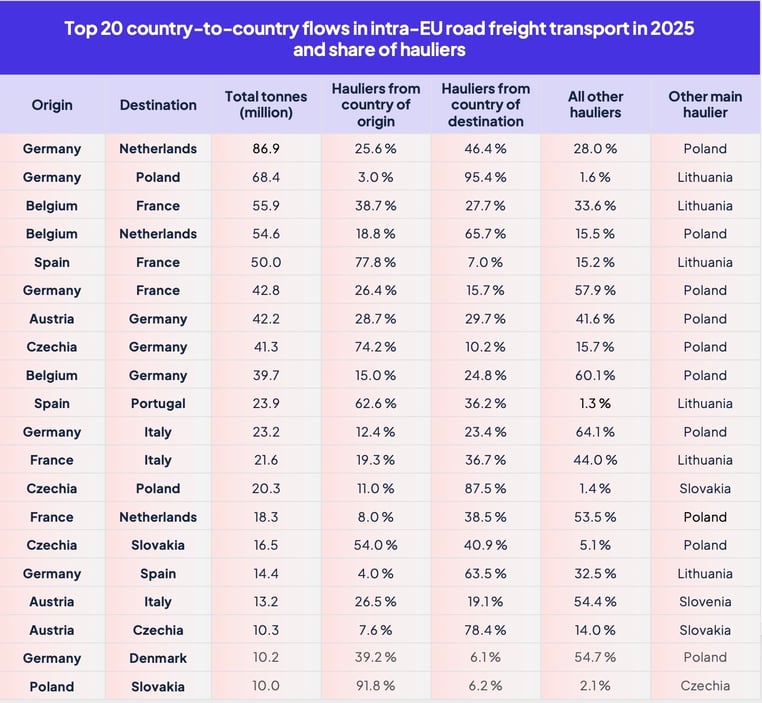
Figure 5 - Data source: Eurostat.
Germany remains the epicentre of European road transport flows, as 9 of the top 20 routes by tonnage originate or are destined for this country. Globally, The top 6 flows remain unchanged compared to 2024, but most of these corridors have declined in terms of volume (notably -6.3% for Germany-France, -5.1% for Spain-France and -3.4% for Germany-Netherlands).
The main changes occurred mostly in the middle of the rankings, explaining the rise of the Czech fleet identified earlier. Several flows linked to the Czech market have indeed increased significantly:
- Czech Republic-Germany: +30.3%. This corridor which climbed from the 9th rank to 8th, surpassing the Belgium-Germany corridor (which is retreating from the 7th to the 9th place).
- Czech Republic-Poland: +26,1 %. This corridor has gone from the 14th to the 13th rank, surpassing France-Netherlands.
- Czech Republic-Slovakia: +27,9 %. This corridor passes from the 16th to the 15th rank, surpassing Germany-Spain.
- Finally, with a total of 10.3 Mt, the Austria-Czech Republic flow enters the Top 20 in 2025, at the expense of the Spain-Italy corridor.
Overall, there is a shift in the centre of gravity of European road transport. The growth of Eastern European fleets is not just a sign of conquering market share in the West. It also testifies to the intensification of economic activity in Eastern Europe, leading to a rebalancing of flows between East and West.
[1] Domestic transport is Road transport between two places (a place of loading and a place of unloading) located in the same country by a vehicle registered in that country.
[2] International transport is Road transport between two places (a place of loading and a place of unloading) in two different countries and cabotage by road. It may involve transit through one or more additional country or countries