BAROMETER. In August, ocean freight rates were fairly stable or slightly down in the Asia-Europe and transatlantic markets but remained tight in the Pacific.
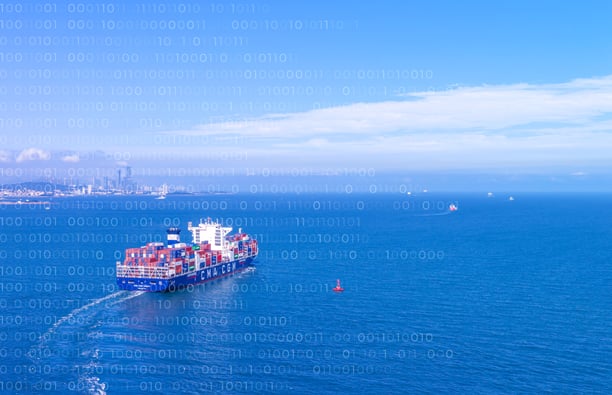
There was no summer truce for international container shipping, which once again showed its ability to adapt to the many constraints it faces, whether geopolitical or climatic. Although there was no tangible improvement, notably in the situation in the Middle East, the n° 1 scenario we set out in January in our forecasts for 2026 is proving increasingly probable, as the great majority of ships continue to go round the Cape of Good Hope, with sporadic returns to the Suez Canal.
The situation in the Middle East
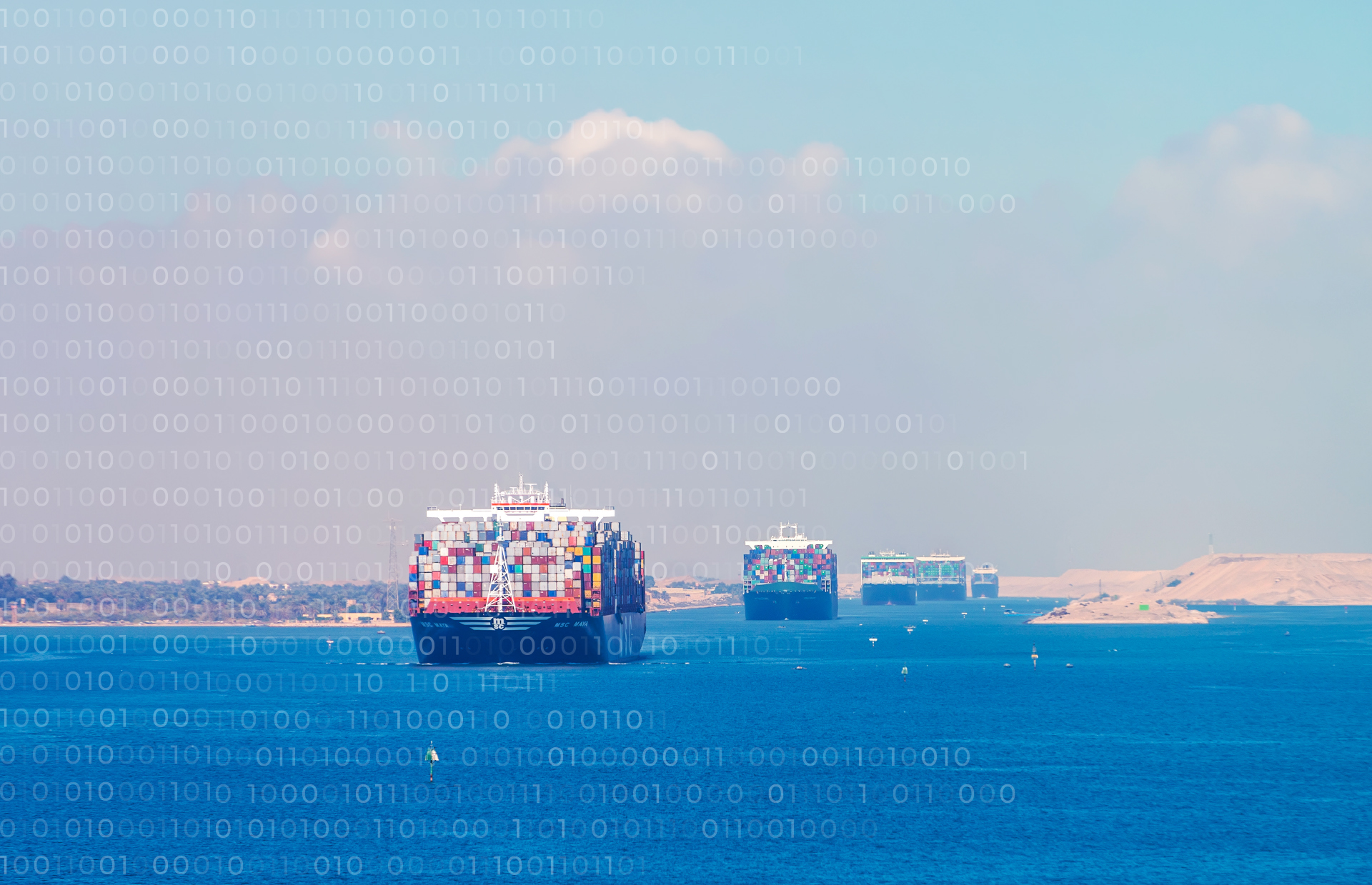
The shipping companies talked a great deal during the summer about a return to the Suez Canal but, to date, it has been parsimonious. The Suez option has shown itself to be relevant on India-Mediterranean routes, where it has resulted in significant gains in sailing times and quicker round trips by avoiding the need to go round Africa and tranship cargoes at the entrance to the Mediterranean. Some very big ships are also descending through the Red Sea, mainly with empty containers for urgent repositioning in Asia. As a result, at the two extremities of the Red Sea, we can see an increase in the number of transits, mainly in the form of container ships and liquefied natural gas carriers on the Suez side and oil exports from ports like Yanbu in the Bab el-Mandeb Strait.
That said, we have to accept that the Cape of Good Hope route has become an established route. The 18,000-24,000 TEU full container ships, which account for the bulk of the Asia-Europe market, make only rare transits through the Suez Canal. The risk has to be “insurable” for the shipping companies.
The Arctic route
In mid-August, Chinese shipping company Sea Legend inaugurated the first shipping line linking Asia and Europe via the polar circle. The service is described as regular but is due to run only until October. A few days later, a ship belonging to South Korean company PanStar followed Sea Legend’s example. These initiatives attracted media coverage but this needs to be put into proportion. Linking northern China to northern Europe in 20 days, compared to 60 via the Cape of Good Hope, is clearly significant, but given the capacity of the ships concerned (about 2,400 TEU) and the limited time window in which these services can be operated, one cannot say that they are going to be a game-changer. Rather, they will be a seasonal premium service.
Panama Canal
The situation in which the Panama Canal finds itself also illustrates the potential influence of climate change on shipping routes. Since 3 September, because of a lack of water, the Panama Canal Authority has started to reduce the number of ships authorised to transit, which is going to lengthen waiting times and, potentially, start a bidding war among shipping companies. A ship transporting liquefied natural gas agreed to pay USD 5,3 million to secure a priority passage. Over the months to come, the return of the El Niño weather phenomenon risks aggravating the situation.
Prices
Asia-Europe routes are experiencing a limited fall in rates. August put an end to the front-loading trend which fed demand during the three preceding months. Rates are nevertheless making a soft landing, helped by service cancellations by the shipping companies (...).
This content is for Upply subscribers only.
If you are already logged in but still cannot access all the content, please contact us!